The Importance of Diet and Exercise in Skin Cancer Prevention
- Dr Olivia
- Nov 2, 2025
- 2 min read

When people think of skin cancer prevention, they usually picture sunscreen and hats. While sun protection is essential, research shows that what you eat and how you move also influence how well your skin can defend and repair itself.
How Diet Protects Your Skin
Your skin is your body’s largest organ, and like any organ, it depends on nutrients for growth, repair, and protection. A healthy diet can reduce inflammation, support collagen repair, and strengthen your body’s ability to fight cellular damage caused by ultraviolet (UV) light.
Key nutrients that support healthy skin:
Antioxidants such as vitamins A, C, and E help neutralize the free radicals produced by UV radiation. These are found in foods like berries, tomatoes, carrots, spinach, and citrus fruit.
Omega-3 fatty acids, found in fish, walnuts, and flaxseeds, reduce inflammation and help keep the skin barrier strong.
Zinc and selenium assist in wound healing and DNA repair, both vital in preventing abnormal cell changes.
Hydration keeps the skin’s natural barrier intact and helps flush out toxins. Aim to drink water regularly throughout the day.
Limiting processed foods, sugar, and alcohol is equally important — they can increase inflammation and make your skin more vulnerable to oxidative stress.

The Role of Exercise
Exercise is not just good for your heart and muscles — it’s also good for your skin. Regular movement:
Improves circulation, delivering oxygen and nutrients that promote skin repair.
Boosts immune function, helping your body detect and correct early cellular damage.
Reduces stress hormones like cortisol, which can slow down healing and suppress immune defense.
Even moderate exercise — such as brisk walking, swimming, or cycling for 30 minutes most days — can have positive effects on overall health and skin resilience.

In Summary
Healthy habits protect your skin from within. A nutritious diet and regular exercise complement sun protection and regular skin checks — forming a complete strategy for maintaining healthy skin and lowering your risk of skin cancer.
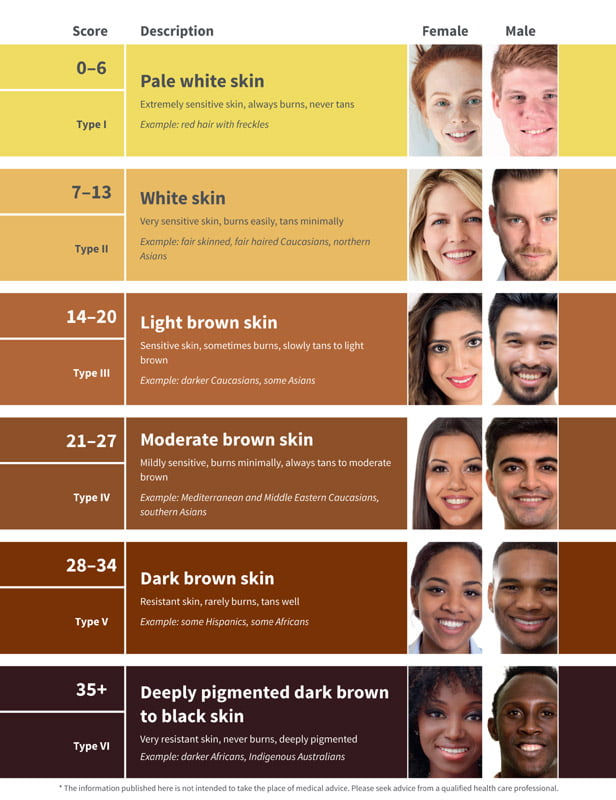
Understanding the Fitzpatrick Skin Type Scale and Skin Cancer Risk
The Fitzpatrick Skin Type Scale is a dermatological system used to classify how different skin types respond to UV exposure. Knowing your skin type can help you understand your personal risk of skin cancer and how to best protect yourself.
Why It Matters
People with lighter skin (types I–III) have less melanin, the pigment that offers some natural protection from UV radiation. This makes them more prone to sunburn, DNA damage, and skin cancers such as melanoma, BCC, and SCC.
However, darker skin types (IV–VI) are not immune. While melanin offers more protection, skin cancers in these groups often appear in less visible areas — such as the palms, soles, under nails, or inside the mouth — and are sometimes detected later, when more advanced.
How to Use This Information
Knowing your Fitzpatrick type helps guide:
How strictly you should avoid midday sun exposure
The SPF level and type of sunscreen best suited to your skin
How often you should have professional skin checks
Key Message
Every skin tone can develop skin cancer. Understanding your Fitzpatrick skin type helps you make informed choices about sun protection, lifestyle, and regular screening — the three pillars of prevention and early detection.


Comments